
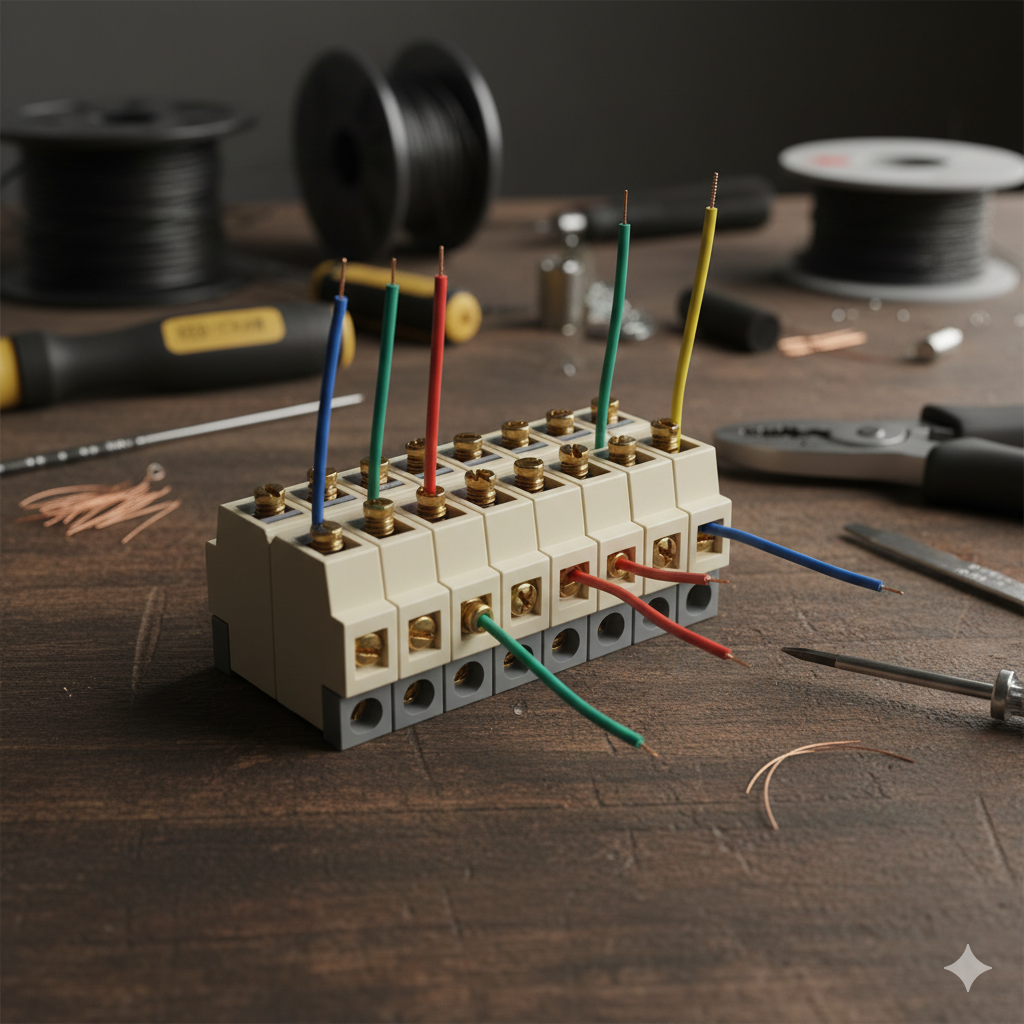
Why UL Listed Terminal Blocks Define Electrical Reliability in Industrial Systems
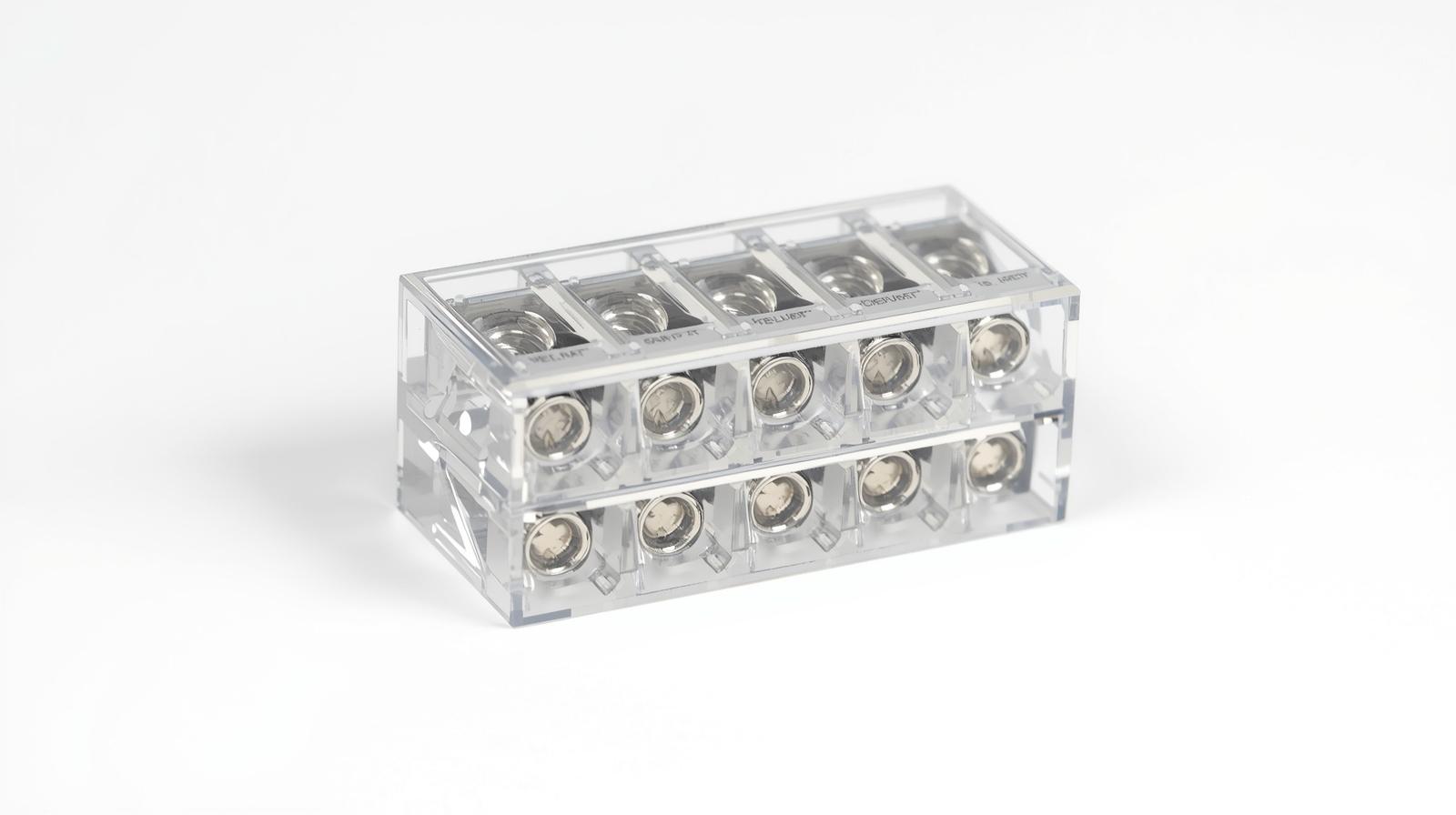
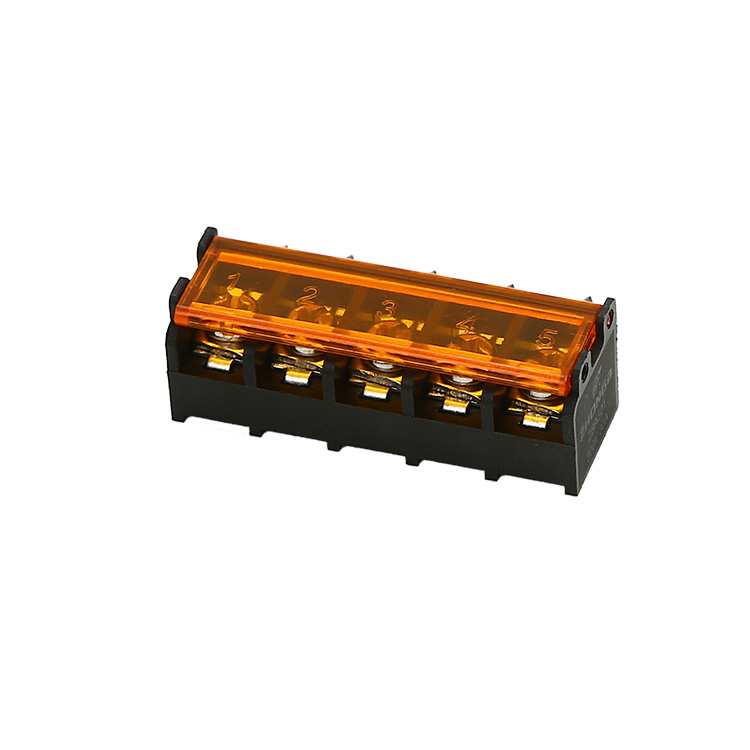
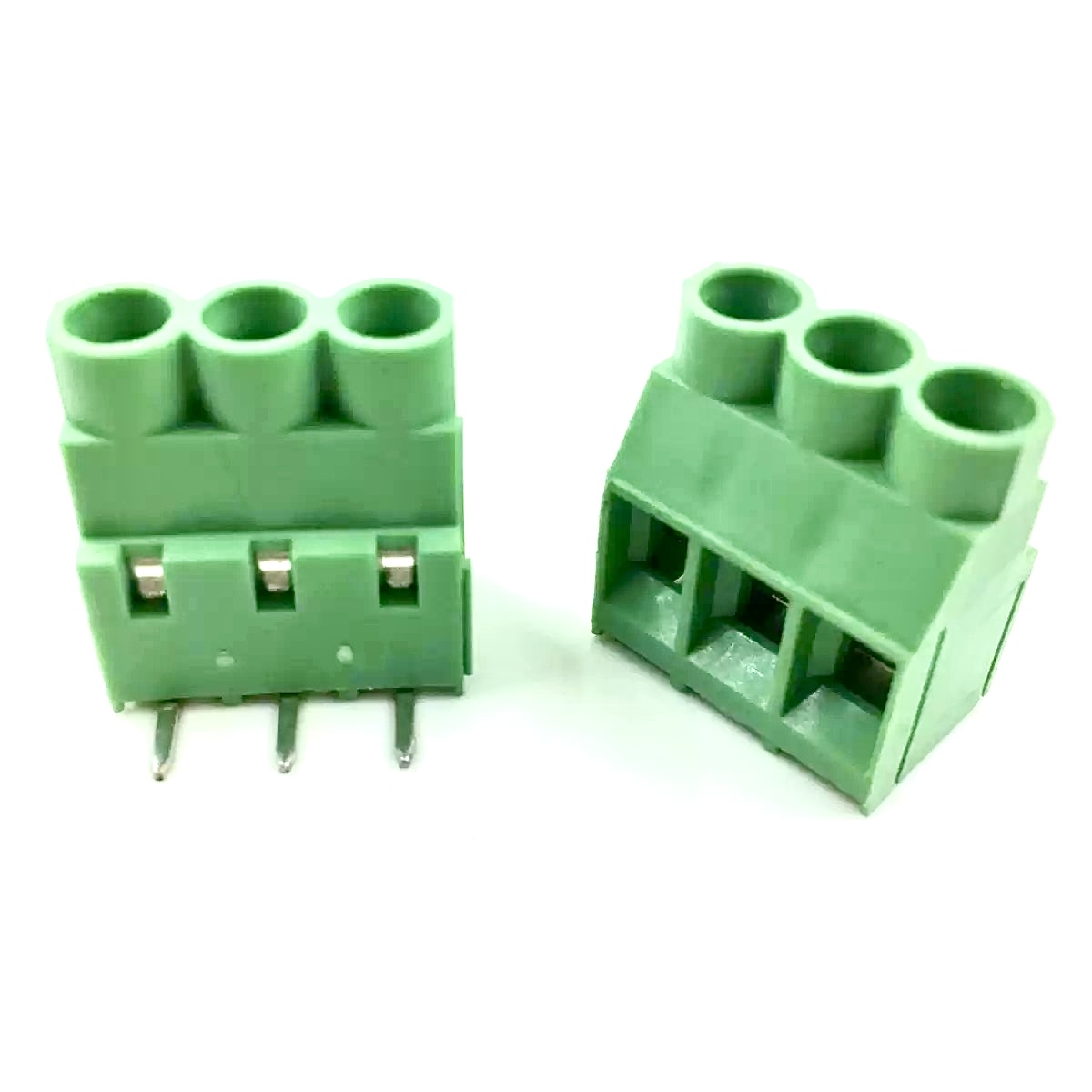
In industrial power systems, reliability begins with invisible details. A loose connection, a few milliohms of added resistance, or a small temperature rise can trigger a cascade of failures—from component degradation to complete circuit breakdown. The UL listed terminal block China manufacturing sector has become an essential backbone of global power reliability, not because of labels, but because it quantifies performance under real engineering stress.
When Compliance Isn’t Enough — The Real Risk in Uncertified Connections
Every electrical engineer has seen the effects of poor contact design: melted housings, intermittent currents, or localized heating near screw points. While generic connectors may function initially, their reliability often drops after repeated load cycles.
A small increase of 5 mΩ in contact resistance at a 10 A load can elevate surface temperature by more than 20 °C, accelerating insulation aging and increasing the chance of arcing. This is why certification is more than a regulatory checkbox—it’s an engineering safeguard. UL listing defines the electrical, thermal, and mechanical limits that ensure long-term stability in demanding industrial environments.
Inside the UL Standard — What It Really Tests
Underwriters Laboratories (UL) evaluates terminal blocks using standards such as UL1059 and UL486E, covering current-carrying capacity, insulation behavior, mechanical strength, and material safety.
Key tests include:
-
Dielectric Strength: Ensures insulation can withstand specified voltage without breakdown.
-
Temperature Rise: Verifies heat dissipation under rated current; UL limits rise to ≤30 °C.
-
Pull and Torque Tests: Confirms wire retention under mechanical stress.
-
Flame Retardancy: Requires housings to pass UL94 V-0 fire-resistance criteria.
-
Creep and Clearance Distance: Prevents arcing under surge or overload conditions.
Passing UL means a terminal block has been proven under simulated real-world stress—where temperature, pressure, and load cycles interact continuously.
Material and Design: What Separates UL Certified Products from Generic Ones
| Aspect | Generic Terminal Block | UL Listed Terminal Block |
|---|---|---|
| Housing Material | Standard PC/PA, unverified flame rating | UL94 V-0 thermoplastic, heat resistant |
| Contact Metal | Iron or copper alloy, uncontrolled plating | Tin-plated copper alloy, tested conductivity |
| Thermal Behavior | Variable under load | ≤ 30 °C rise at rated current |
| Mechanical Stability | Manual screw control | Defined torque tolerance per UL486 |
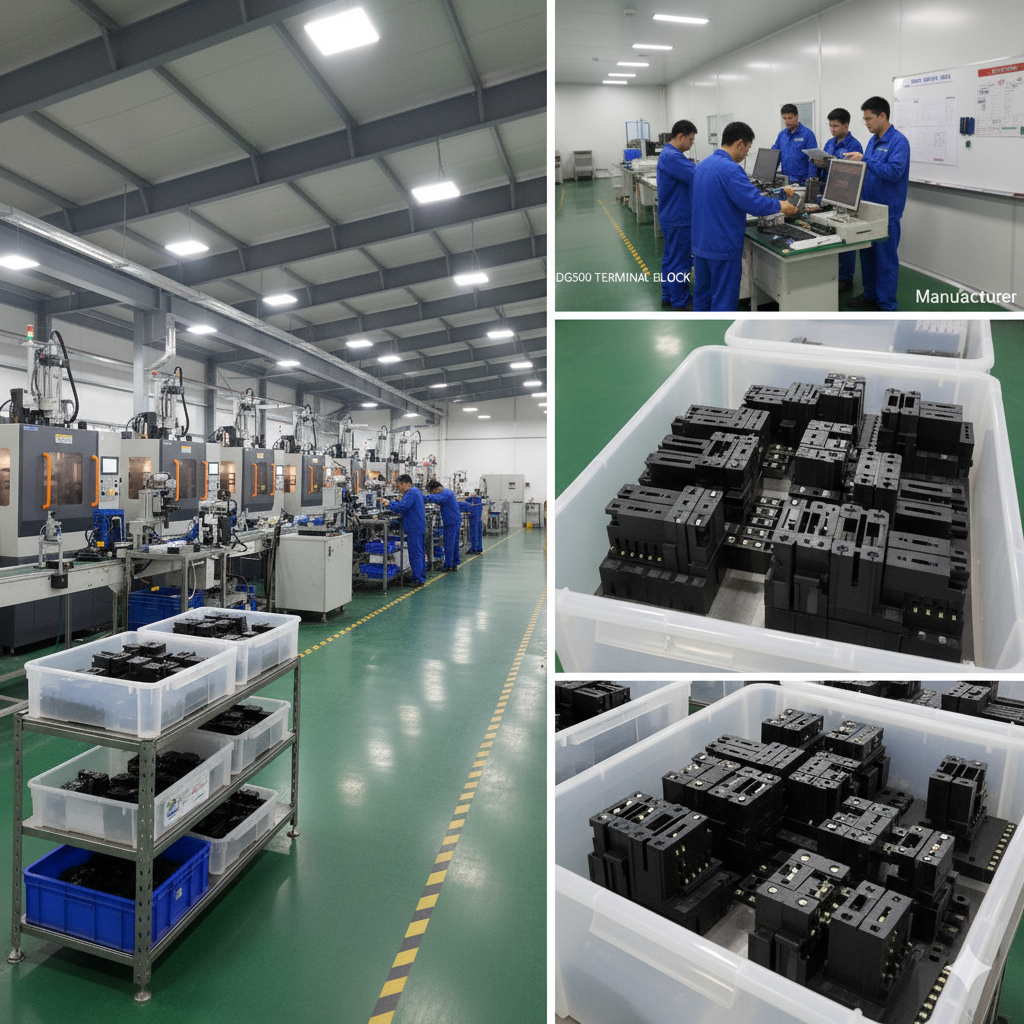
| Traceability | No batch control | Serialized and report-linked production |
The distinction is not cosmetic—it’s measurable. Certified designs maintain consistent torque and contact pressure, reducing the risk of micro-arcing that can destroy panels or cause fire hazards.
Engineering Perspective — How UL Design Enhances System Longevity
From an engineering standpoint, UL-listed connectors reduce the two most common failure modes: thermal degradation and mechanical loosening.
-
Thermal Stability:
UL testing ensures that materials maintain dielectric strength and structural integrity after continuous exposure to load-induced heat. In a power distribution cabinet, that difference can extend system lifetime by several years. -
Contact Reliability:
Controlled torque and precision plating lower contact resistance, improving current flow uniformity. This prevents uneven load distribution and energy loss across large wiring networks. -
Maintenance Efficiency:
Certified terminal designs maintain torque retention across multiple wiring cycles, reducing downtime and maintenance costs for OEM manufacturers and field operators.
Ultimately, UL design validation turns empirical reliability into quantifiable engineering assurance.
Application Reality — Why OEMs Standardize on UL Certified Components
Leading equipment manufacturers and system integrators increasingly specify UL components in their procurement documentation—not for branding, but for interoperability and export readiness.
UL listed terminal blocks are now standard in:
-
PLC and automation control panels for precision wiring
-
Power distribution boards where consistent temperature control is critical
-
Renewable energy and battery storage systems requiring high-voltage insulation
-
Building automation and HVAC modules for fire-rated enclosures
-
Global OEM machinery exports that must comply with North American or EU standards
Using UL-certified parts shortens certification cycles for complete assemblies, simplifies documentation for customs and inspection agencies, and improves long-term warranty credibility.
Procurement Checklist — How to Verify True UL Compliance
For engineers or purchasing managers sourcing from Chinese manufacturers, these checkpoints ensure authenticity:
-
Verify UL File Number (searchable on the UL Product iQ database)
-
Confirm Category Code (CCN) matches the product type (e.g., XCFR2/XCFR8)
-
Request temperature rise and torque test reports from the supplier
-
Ensure the product label states “UL Listed” or “UL Recognized Component”
-
Review material declarations confirming UL94 V-0 flame rating
A true UL listed product comes with full documentation traceable to certified production batches—not only the logo on the housing.
Building Electrical Integrity with Zhongbo
In the world of industrial power systems, UL listed terminal block China manufacturers are redefining what reliability means. Certification is no longer just paperwork—it’s proof of engineering discipline.
Zhongbo continues to develop UL-listed terminal blocks that balance safety, performance, and scalability, empowering global clients to design systems that last.
For detailed specifications or OEM cooperation, visit our homepage or contact us for technical consultation.