
Understanding the Direct End
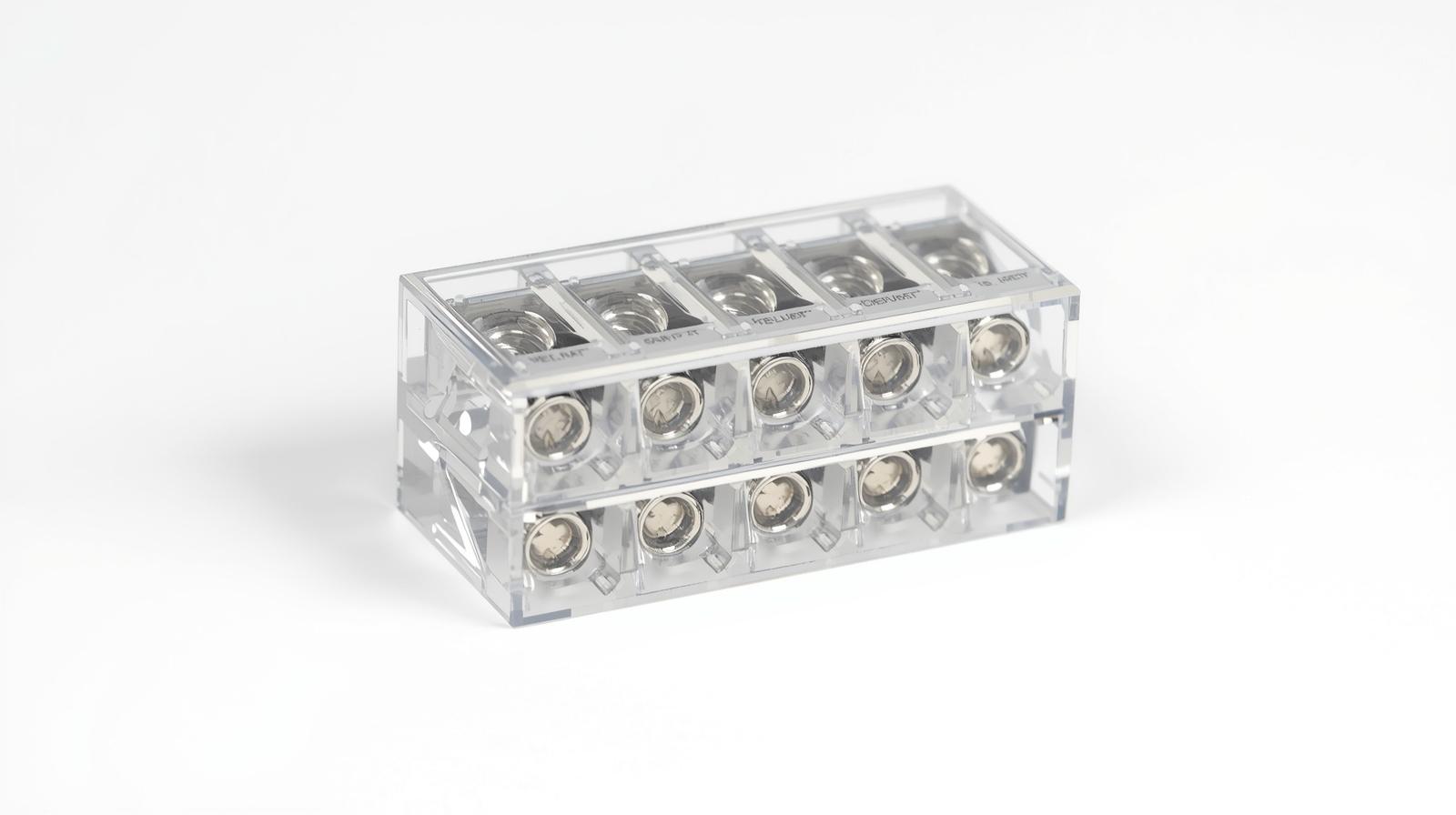
The direct terminal block is an essential component in the field of electrical engineering and serves as a reliable connector for a variety of wires and circuits. These terminal blocks achieve the basic purpose of promoting effective and safe wiring, making it essential in any electrical assembly. The straight end block is designed to allow electrical connections to pass through it directly without interruption, ensuring seamless current. With advances in technology and design, direct end blocks have developed to meet the various needs of engineers and technicians, thus contributing to the versatility and efficiency of the electrical system. 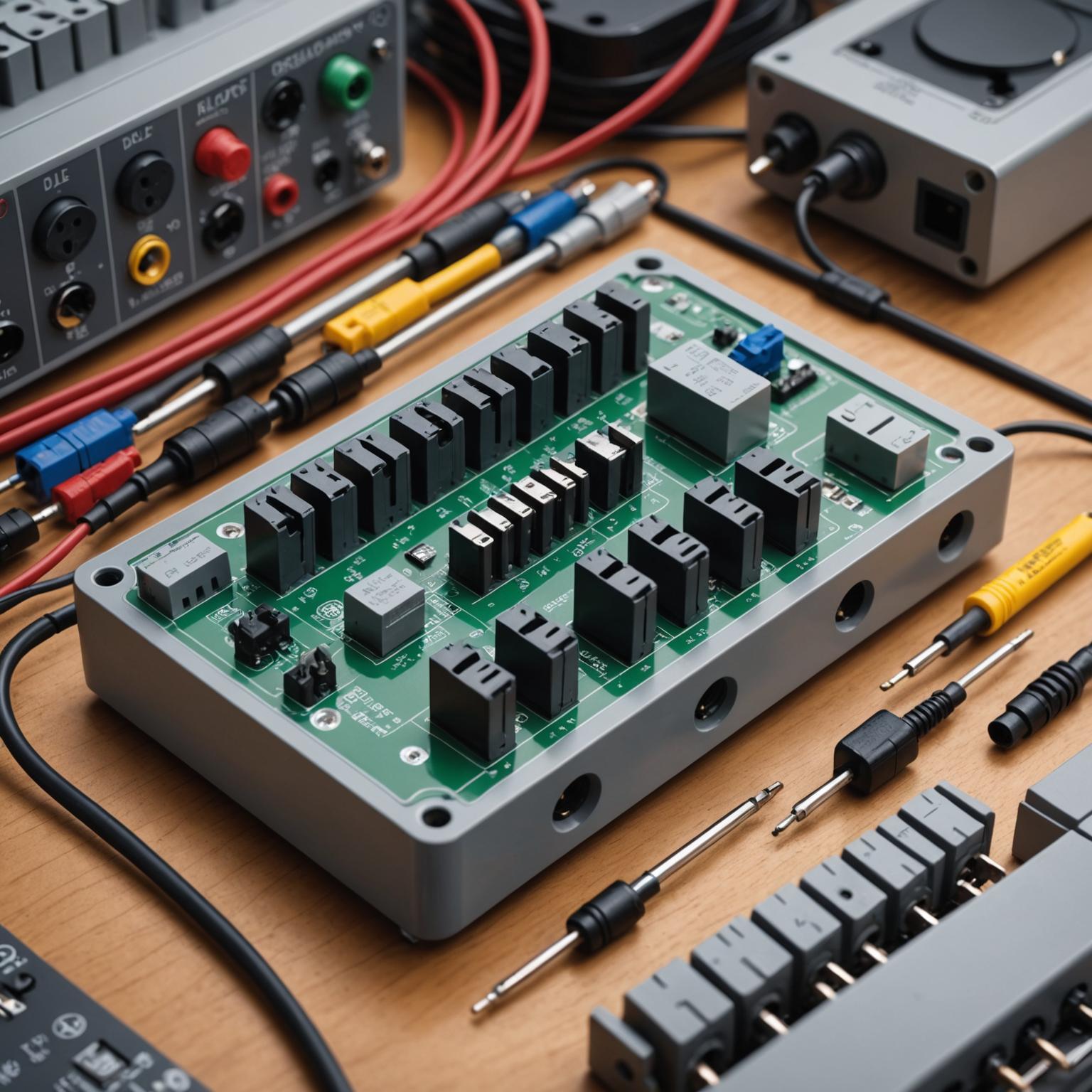
Explore terminal types
The world of terminal blocks is very wide, with a variety of types tailored to specific applications. Terminal block types include single-layer, multi-stage and modular variants, providing solutions for a variety of electrical wiring projects. Single-layer terminal blocks are ideal for direct connections, while multi-layer blocks can be more complexly arranged and contain other circuits in the same space. The modular terminal block is designed for ease of customization and scalability, providing flexible options for engineers who need adaptive solutions. Among them, the feed connector has the ability to maintain continuous conduction without interruption, thus making it highly valued in complex and high-performance systems.
Introducing Tripole Terminal Connector
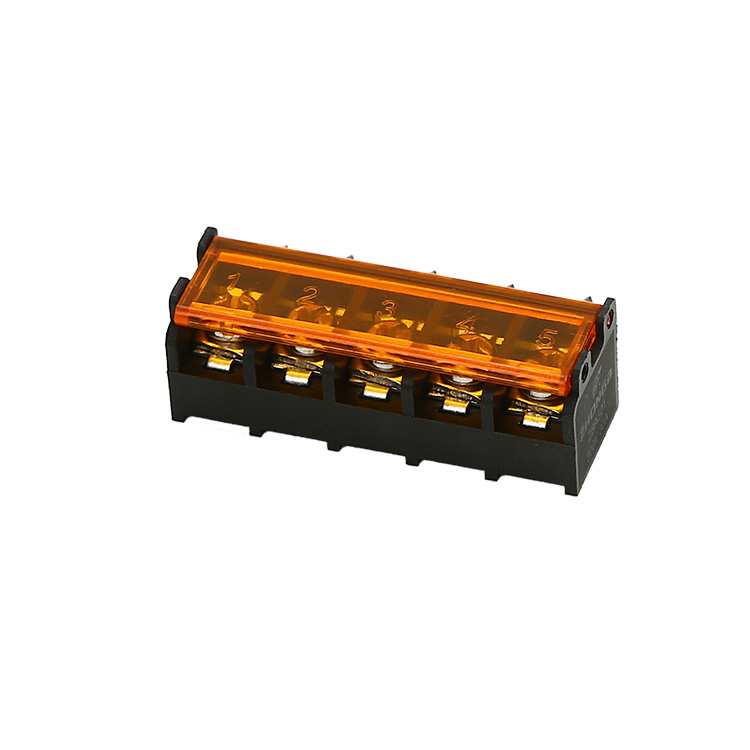
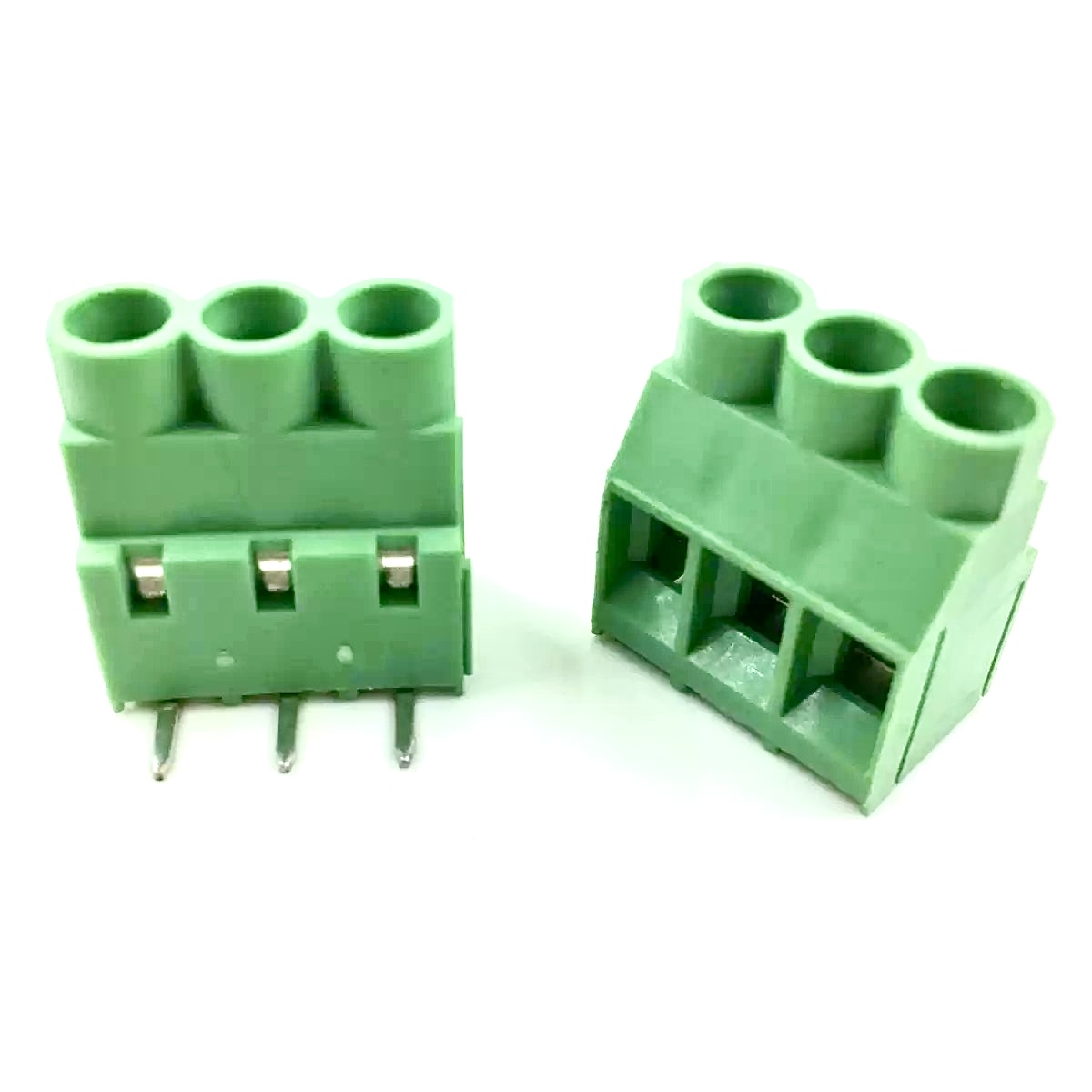
On the stage of industrial terminal blocks, Tripole terminal block connectors have become a powerful competitor, providing unparalleled efficiency and reliability. This cutting-edge component has been carefully designed to meet the stringent requirements of modern engineers to ensure seamless integration in electronic assembly. With its stylish design and a solid grey shell, Tripole embodies industrial elegance while providing exceptional functionality. Its well-planned configuration includes three ergonomic-designed connection slots optimized for space use, as well as circular openings that can be easily inserted and can accommodate a variety of wire sizes to suit different applications.
Tripole terminal connectors are constructed from industrial grade materials that ensure durability and excellent insulation, thus protecting the electrical system from potential hazards. Top weld pins made of high quality alloys ensure high conductivity and easy soldering to PCB. These carefully arranged pins enhance the critical current to complex circuits, while a stable base ensures a solid foundation during assembly, proving to be ideal for precise engineering tasks.
Exceeding industry standards, Tripole terminal block connectors provide a harmonious blend of style, functionality and advanced technology. This is a major option for professionals looking to optimize electrical installations to meet a range of applications from manufacturing to prototype and education. As an important part of any electrical toolkit, this terminal block promises an excellent user experience and emphasizes its relevance in cutting-edge engineering projects.
Optimized direct wiring
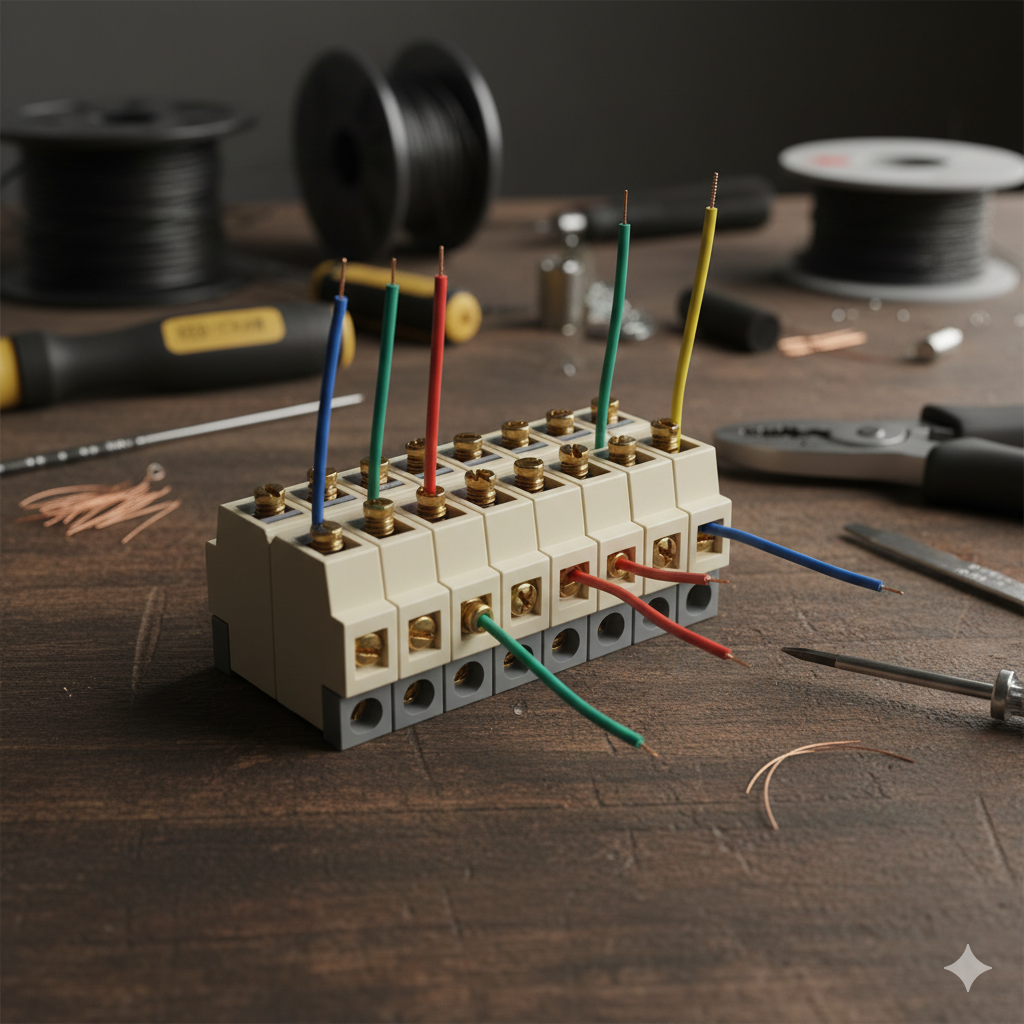
Direct wiring is a key aspect of effective electrical system design and requires careful planning and execution. Using feed terminal blocks, engineers can ensure safe and effective uninterrupted electrical connections. The Tripole terminal block connector is designed to facilitate easy direct wiring, providing a safe channel for the current channel. By leveraging such advanced terminal blocks, engineers have the ability to optimize their electrical installations, achieving perfect harmony between utility and innovation.
In summary, whether in an industrial, commercial or educational environment, the direct end block represents a fundamental extension in the domain of electrical connectivity. Tripole terminal block connectors are the culmination of advancements in this field, providing an overall solution to modern engineering challenges. With its innovative design and outstanding performance, Tripole is a beacon of reliability and efficiency, paving the way for a future where electrical systems are ruthlessly synchronized in their operations.